
7 Mistakes You're Making with Construction Data Management (and How Cloud Solutions Fix Them)
- Oliver Clayton
- Dec 11, 2025
- 5 min read
Construction projects generate massive amounts of data: from initial blueprints and material specifications to daily progress reports and compliance documentation. Yet despite this data wealth, many construction companies struggle with inefficient, error-prone data management practices that cost time, money, and credibility.
If you're still juggling spreadsheets, dealing with version control nightmares, or watching your team waste hours searching for the right documents, you're not alone. These data management mistakes are surprisingly common across the industry, but they're also entirely fixable with the right approach.
Mistake 1: Using Misaligned Data Structures Across Systems
The Problem
Your project management software uses one naming convention for cost codes, while your accounting system uses another. Field teams track jobs by project names, but accounting references them by customer codes. When systems don't speak the same language, data becomes fragmented and unreliable.
This misalignment creates chaos when trying to generate accurate reports or track project profitability. Teams waste precious time translating data between systems, and critical information often gets lost in translation.
How Cloud Solutions Fix It
Cloud-based integrated management systems eliminate data silos by using unified data architecture. Everything from cost codes to project hierarchies follows consistent naming conventions across all modules: whether you're in project management, accounting, or compliance tracking.
With real-time synchronization, when your site manager updates a progress report, that information instantly reflects in project dashboards, financial reports, and client communications. No more manual data entry across multiple systems.
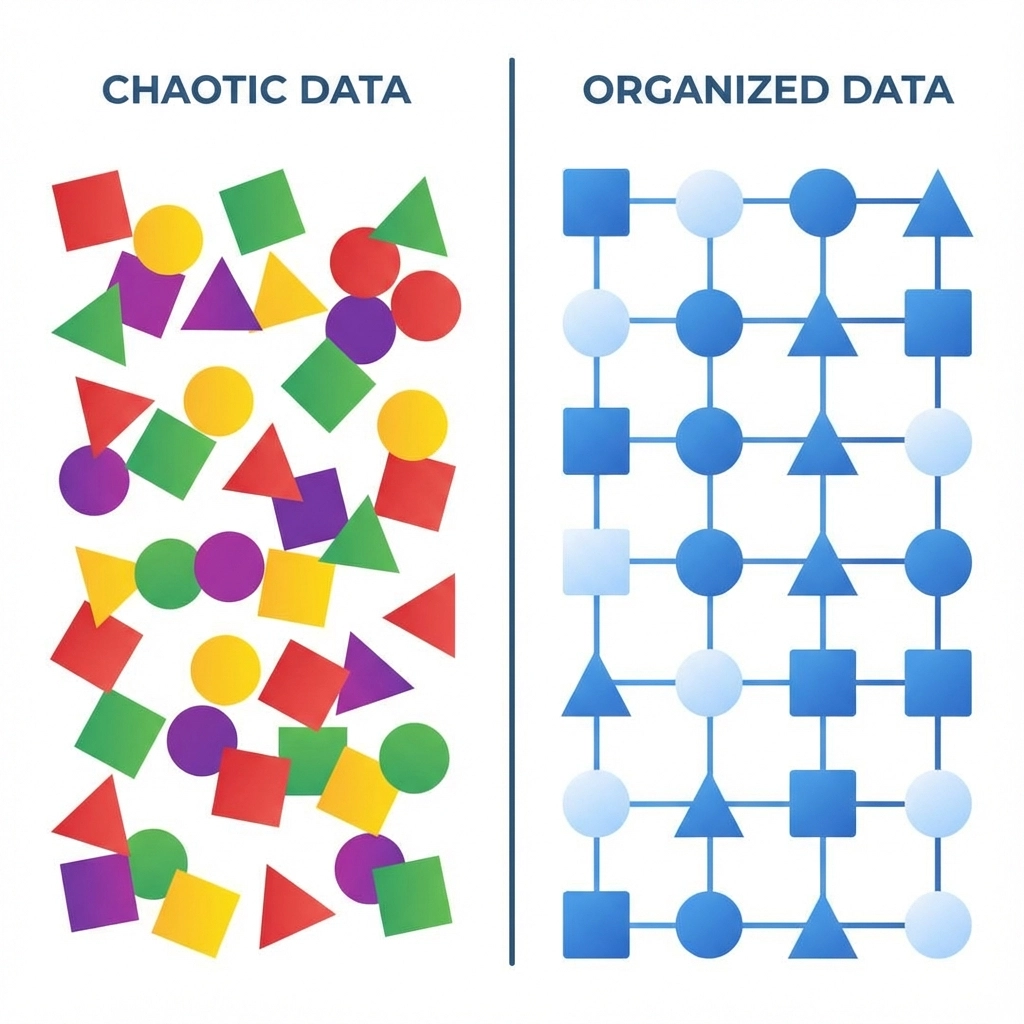
Mistake 2: Tolerating Duplicate and "Dirty" Data
The Problem
After years of running separate systems, construction companies often accumulate duplicate entries, outdated contact information, and inconsistent naming conventions. You might have the same subcontractor listed three different ways across various databases, or material suppliers with conflicting contact details.
This dirty data doesn't just look unprofessional: it leads to delayed communications, billing errors, and compliance issues. Integration projects fail when companies attempt to merge systems without cleaning up their data first.
How Cloud Solutions Fix It
Modern cloud platforms include built-in data cleansing tools that identify and merge duplicate records automatically. During system implementation, data migration specialists help standardize your existing records to align with best practices.
Advanced cloud systems also prevent dirty data from accumulating by enforcing data entry standards, validating information in real-time, and maintaining audit trails that track every change.
Mistake 3: Lacking Clear Document Organization
The Problem
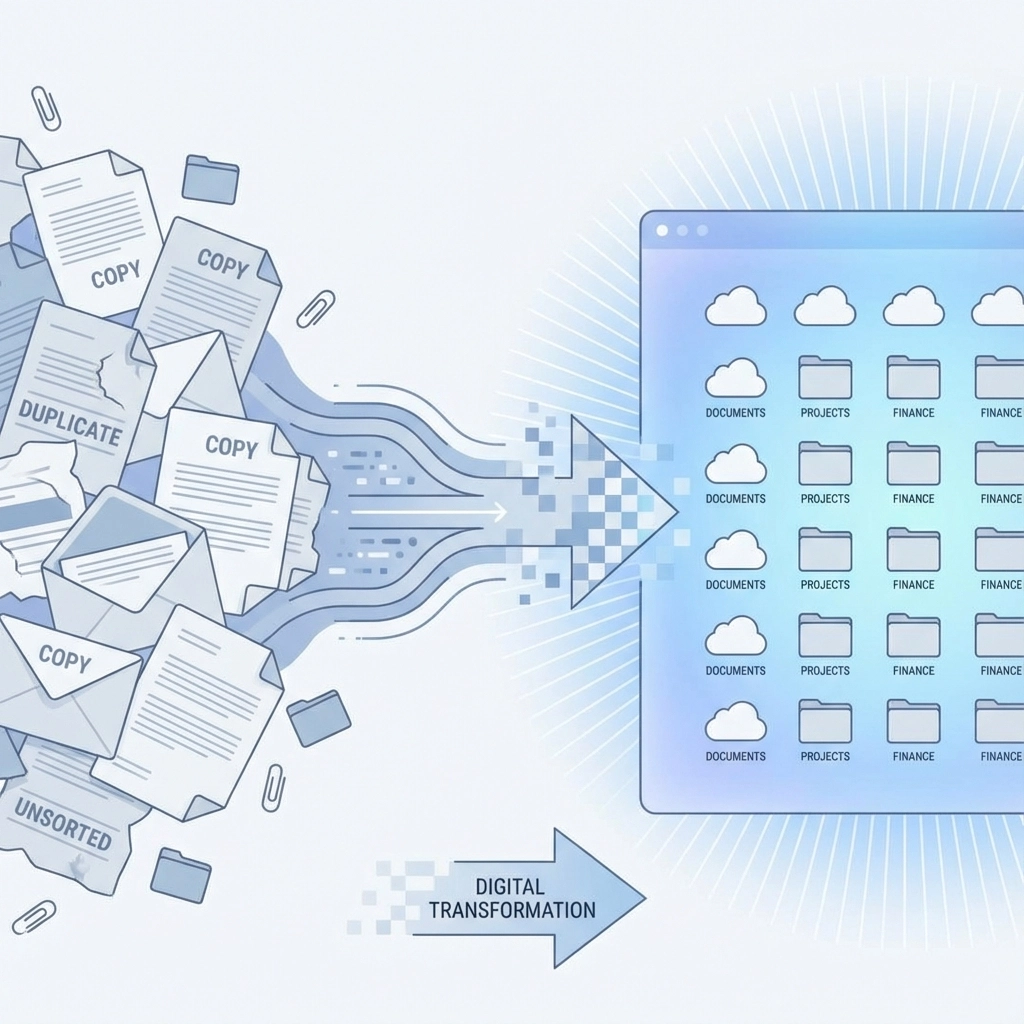
Without structured systems for storing, categorizing, and naming project documents, teams waste countless hours searching for critical files. Site managers can't find the latest safety protocols, subcontractors work from outdated drawings, and compliance officers struggle to locate required certifications.
This disorganization creates serious risks: using outdated specifications can lead to costly rework, while missing safety documents can result in regulatory violations and project shutdowns.
How Cloud Solutions Fix It
Cloud document management systems enforce logical folder structures that mirror your project hierarchy. Documents are automatically categorized using metadata tagging, making them searchable by project phase, document type, author, or any custom criteria.
Version control ensures everyone accesses the most current documents, while permission settings guarantee that sensitive information reaches only authorized personnel. Mobile access means field teams can retrieve documents instantly, even in remote locations.
Mistake 4: Neglecting Proper Training and User Adoption
The Problem
Even the most sophisticated data management system fails if your team doesn't know how to use it effectively. Poor training leads to underutilization of features, increased user errors, and resistance to system adoption. Teams often revert to familiar but inefficient manual processes, defeating the purpose of digital transformation.
How Cloud Solutions Fix It
Cloud platforms prioritize user experience with intuitive interfaces that require minimal training. Most systems include comprehensive onboarding resources, video tutorials, and ongoing support to ensure successful adoption.
The reduced technical complexity of cloud systems compared to on-premise alternatives means your team can focus on using the tools effectively rather than managing technical infrastructure. Regular updates automatically deliver new features and improvements without disrupting workflows.
Mistake 5: Implementing Insufficient Security Measures
The Problem
Construction data includes sensitive financial information, proprietary designs, and confidential client details. Weak password policies, inadequate access controls, and unencrypted file sharing create vulnerabilities that can lead to data breaches, intellectual property theft, and regulatory violations.
Small construction companies often assume they're not targets, but cyber attacks on the construction industry have increased significantly, with data breaches costing companies an average of £3.2 million per incident.
How Cloud Solutions Fix It
Enterprise-grade cloud platforms provide military-grade encryption, multi-factor authentication, and granular access controls that far exceed what most construction companies can implement internally. Automated security updates and patches ensure your systems stay protected against evolving threats.
Cloud providers maintain compliance with international security standards and regulations, offering construction companies enterprise-level security without enterprise-level costs or complexity.

Mistake 6: Relying on Manual Data Entry and Processing
The Problem
Manual data entry at every project stage creates bottlenecks and increases error rates. Time sheets need manual transcription, progress reports require duplicate data entry across multiple systems, and financial updates lag behind project reality.
These manual processes prevent real-time decision-making and create a cascade of delays: budget overruns aren't detected early, resource shortages aren't anticipated, and project adjustments happen too late to be effective.
How Cloud Solutions Fix It
Cloud construction management systems automate data capture through mobile applications, integrated sensors, and API connections to other business systems. Field teams can log time, update progress, and report issues directly from their mobile devices.
Automated workflows trigger alerts when projects approach budget thresholds, deadlines loom, or quality issues arise. This real-time data flow enables proactive project management rather than reactive problem-solving.
Mistake 7: Creating Data Silos That Limit Accessibility
The Problem
When project information lives in isolated systems or individual computers, team members can't access the data they need when they need it. Field supervisors make decisions based on outdated information, while office staff work with incomplete project status updates.
These data silos prevent effective collaboration and create communication gaps that lead to costly misunderstandings, rework, and project delays.
How Cloud Solutions Fix It
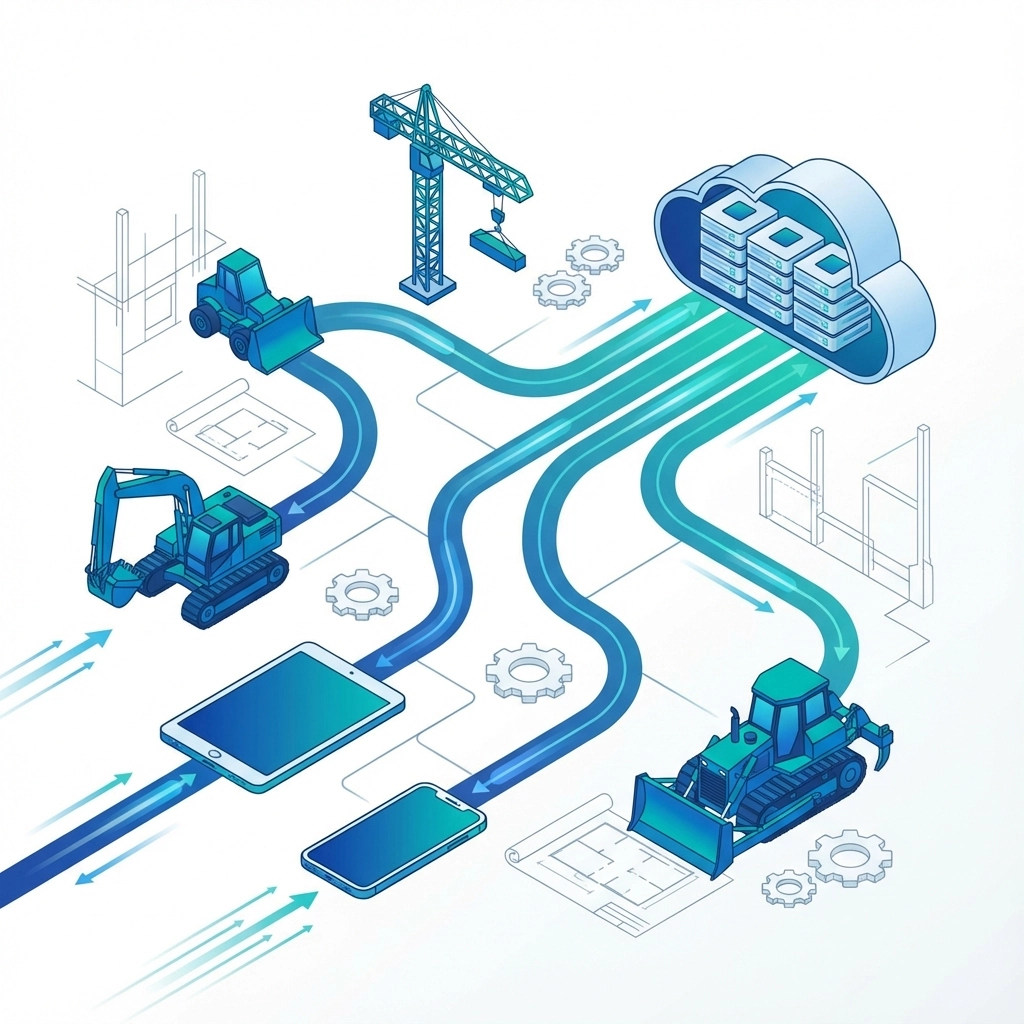
Cloud platforms centralize all project data in a single, accessible location with role-based permissions that ensure team members see relevant information without compromising security. Mobile-first design means critical data is available anywhere, from the construction site to the client meeting.
Real-time collaboration tools enable instant communication and data sharing between office staff, field teams, and external stakeholders. Everyone works from the same information, reducing miscommunication and improving project coordination.
The Cost of Poor Data Management
These data management mistakes aren't just inconveniences: they directly impact your bottom line. Industry research shows that poor data management practices can increase project costs by 15-20% through rework, delays, and compliance issues.
More importantly, these problems compound over time. Small inefficiencies become major obstacles as projects grow in complexity and companies scale their operations.
Making the Switch: What to Expect
Transitioning to cloud-based data management doesn't happen overnight, but the benefits begin immediately. Most construction companies report significant improvements in project visibility and team coordination within the first month of implementation.
The key is choosing a platform designed specifically for construction workflows rather than adapting generic business software. Look for systems that integrate project management, document control, compliance tracking, and financial reporting in a unified platform.
Moving Forward
Construction data management doesn't have to be a constant source of frustration and inefficiency. Cloud-based integrated management systems address these common mistakes by design, creating streamlined workflows that support better decision-making and project outcomes.
The construction industry's digital transformation is accelerating, and companies that embrace modern data management practices gain significant competitive advantages. From improved project profitability to enhanced client satisfaction, the benefits of getting data management right extend far beyond operational efficiency.
Ready to transform your construction data management? Book a demo to see how cloud solutions can eliminate these costly mistakes and streamline your project workflows.
Comments